(and how to keep cats from accidentally commanding your spacecraft)
Bridget Hogg, Development at Work Australia
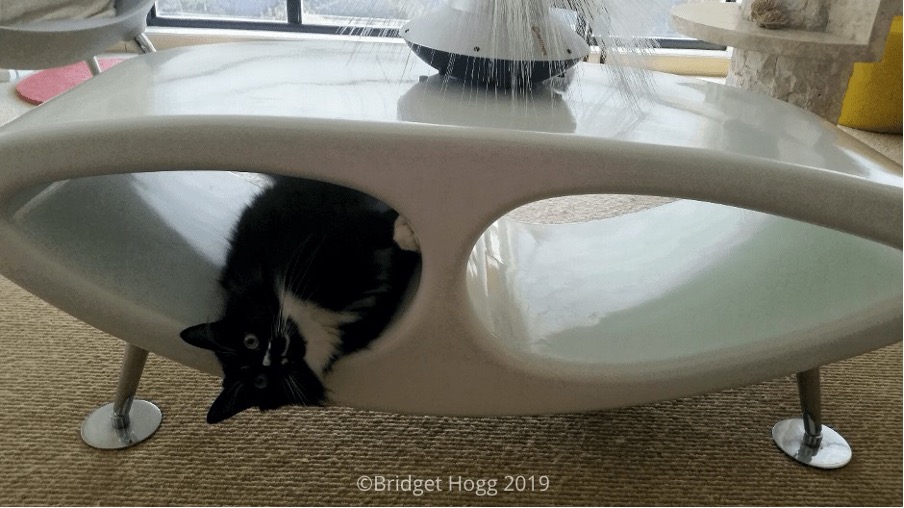
The ultimate stressful workplace might be on Artemis II as astronauts made history this week taking a trip around the moon, travelling further from Earth than any humans in history have before. It reminded me of the NASA astrophysicist Amber Straughn’s tweet, in 2020, about “how to keep cats from accidentally commanding spacecraft”.
How does this relate to your workplace? Ask yourself – how are your people going these days? Are they stressed? Trying to master new technology? Do more with less? Are they experiencing psychosocial distress and a lack of inclusivity? Are they asking to work from home – amidst children, partners and cats? People and Culture leaders I’ve spoken to recently say yes to these questions – and they tell me building and supporting psychological wellbeing is back at the top of their agenda again.
Master the Skills that Great Leaders use to Strengthen Workforce Wellbeing.
We are facing more threats to our peace of mind, health and livelihoods today than we were a year ago – with increasing cost of living pressures, threats from war and increased expectations placed upon leaders to provide a psychologically safe workplace. Psychosocial safety is a big focus in the workplace right now – great leaders understand what their people need and what it takes to identify psychosocial hazards and create an inclusive, welcoming, safe workplace culture for all.
Great leaders adapt quickly, understand the need and identify psychosocial hazards that need to be addressed in the workplace. While people need safe, inclusive, welcoming workplaces the reality is that workplaces themselves are a source of stress for many. Great leaders are addressing this now to prevent unwanted resignations, high stress and low performance.
Click here to see some ways that other organisations are working with me to enhance workforce wellbeing: https://www.developmentatwork.com.au/wellness/
The reality is that some jobs are at risk. Some organisations need to restructure. Some people are being asked to work harder for less pay. This isn’t good for mental health. People and Culture leaders tell me that some people are struggling to cope and some leaders are ill-prepared to support their team. People and culture leaders have renewed their efforts to create psychologically safe workplaces and retain employees.
Some people are seeking to work from home again to escape the stress of the workplace and reduce cost of living pressures as fuel costs rise. We are affected. Working from home is the reality for some people – and with pets, children and partners it’s tough.
It’s time to look at what you can do to limit the negative impacts on mental health and proactively improve wellbeing in your workplace.
How are you? Do you need some support? How are your employees? Are they stressed or fearful, anxious about the future, overworked, resentful? Do they understand what’s happening in your organisation and do they feel that how you are handling things and what you are asking them to do is right and fair?
People are happiest at work when their key needs are met and when they feel they can work within their values.
What to ask your employees
| Questions to Ask Your Employees How are you going? How is your family? How is this impacting you? How do you feel about this? | What you are listening for Do they sound anxious, fearful, depressed or at risk? Do they sound as if they need support? Listen for feelings and values | Think about Spending more time really listening and understanding the concerns. Have you got an EAP counselling service to refer people to for additional professional support? Consider: what support do people need? Training? Skills development (AI?) Workplace wellbeing programs focusing on psychological wellbeing? Are they resentful, dissatisfied, working outside their values, thinking they are being treated unfairly or being kept in the dark? How can you resolve this? |
Two Tools to use to find a way or make one through this time
- Key Needs at Work Model
My work in organisations with people who are distressed by the impact of sudden change revealed that people needed 9 key psychological factors at work, under three headings (Relationships, The Job and Feelings). You can see the 3 elements under each heading in the model below.
Subsequently my work with organisations not under stress revealed three more key needs (fun, flexible hours and reward and recognition).
| Relationships | The Job | Feelings | Other Ideas |
| Two-way communication | Purpose/Meaningfulness | Security | Fun |
| Involvement | Control | Confidence | Flexible hours |
| Belonging | Competence | Trust | Reward and Recognition |
(Model from Bridget Hogg 2009, updated from an earlier model which was presented (by the model/paper’s author, Bridget Hogg) in “Tears and Tantrums: when you break the psychological contract” to the British Psychological Society conference, UK, 1999.)
As a top team you can use this model to assess if you are meeting the key needs of your workforce. If you are not – consider how you can make changes to meet more of your employees’ needs. I believe this will help you avoid consequences such as: negative feelings, poor work performance, unwanted resignations and mental health issues.
When organisations meet people’s key needs at work they are enhancing employee retention, improving the employer brand and lifting workplace performance. Use this model to examine how you can manage the mental health and psychological wellbeing of your people most effectively – by meeting key needs at work.
- Values in Action (or Character Strengths) tool
You can take this survey here to find out your top character strengths. https://www.viacharacter.org/character-strengths-via
Character Strengths are the positive parts of your personality that impact how you think, feel and behave. Scientists have identified 24 character strengths and have shown that those who use their top strengths at work are happiest (of course we can also use our strengths outside of work and find fulfilment there).
Support for you
What can you do? There is support available right now!
If you want more help to assess improve psychological wellbeing, please contact me Bridget Hogg at Development at Work Australia on 0477 016966 or bridget@developmentatwork.com.au now for help with managing psychological wellbeing, managing the people aspects of change, building a positive mindset, and supporting retrenched workers with outplacement services).
If you need help with managing the people aspects of change https://www.developmentatwork.com.au/career-change-outplacement-redundancy/ or managing redundancies with a human face, contact me and see the websites for more information: https://outplacementadelaide.com.au/
Bridget can help you to:
- Improve organisational wellbeing
- Identify the signs of mental health issues so you can address them to support yourself and your people
- Plan to manage mental health risks for your people in a time of change and uncertainty
- Strengthen the mental wellbeing and mental health of leaders, employees and business owners
- Plan and manage the people aspects of change
- Support your retrenched workers to find work they want
Join me on Linked In: https://www.linkedin.com/in/bridget-hogg-cahri-fglf-693881/
About Bridget Hogg
Bridget’s passion is helping organisations effectively manage stress, change, mental health and wellbeing. She has worked with many organisations to help them “find a way or make one” through organisational change, times of uncertainty, downsizing and redundancy. She has managed transition programs with a psychological wellbeing focus for over twenty-five years.
Bridget has a background in resilience at work, psychology (BSc Hons, MSc) and NLP (BSc Hons, MSc. NLP Practitioner). Bridget has developed tools and techniques to enhance wellbeing. She assists organisations to identify and address mental health issues and enhance workplace and workforce wellbeing.
Ask Bridget to help you assess the mental health and psychological risks in your organisation, and to design and run a Wellbeings program for your workforce. Call 0477 016966 or email bridget@developmentatwork.com.au